
How Can I Use a Worked Solution to Learn a Problem-Solving Method Without Just Memorizing the Steps?
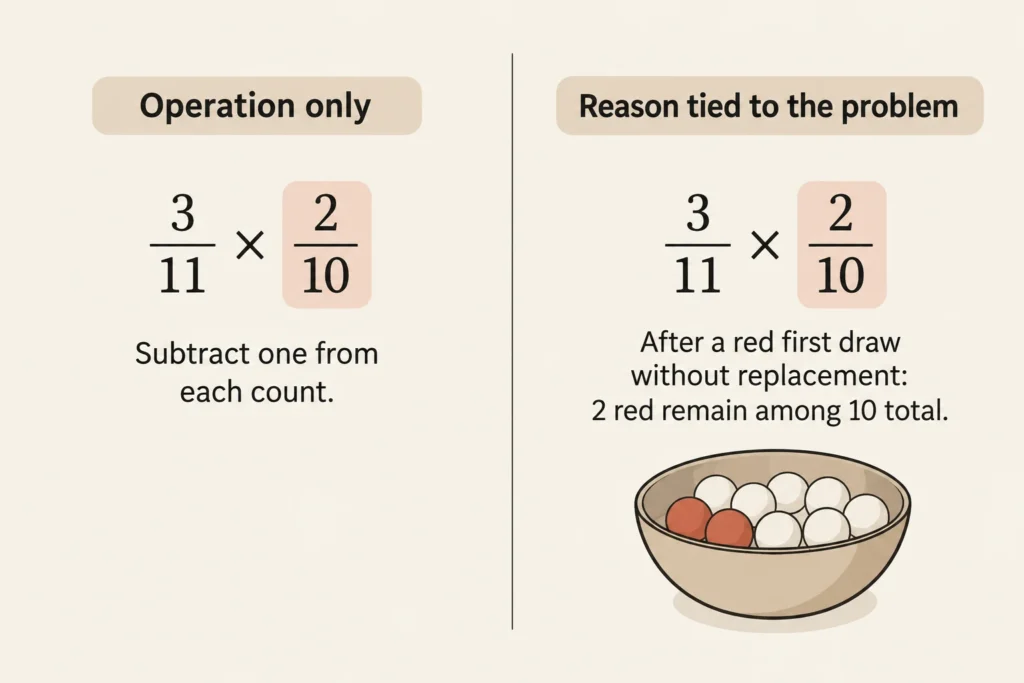
Explain why the solution’s key decisions follow, complete partially worked problems, and test yourself on a changed condition, not just changed numbers.
How Can I Practice for an Exam When My Course Gives Me No Practice Questions?

Use learning objectives, assignments, rubrics, and worked examples to build a small self-test that matches the thinking your course expects.
How Do I Plan a Research Paper Alongside My Regular Weekly Coursework?
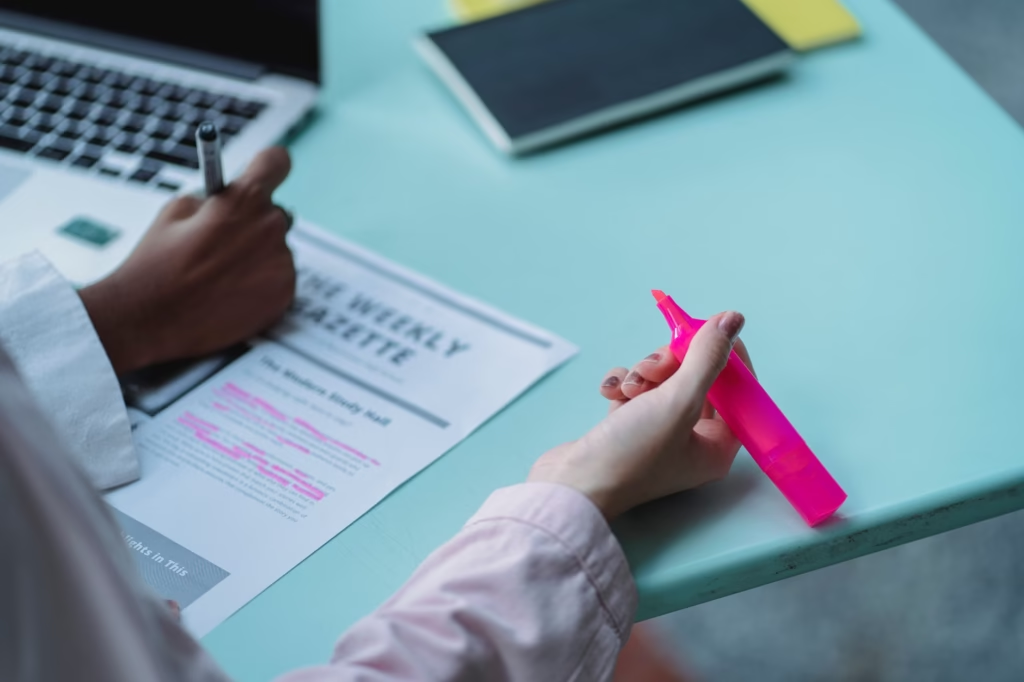
Turn a distant research paper into weekly visible outputs, fit demanding paper work around recurring coursework, and leave room for weak sources, changed arguments, and real revision.
The Complete Back-to-School Planning Checklist for Students
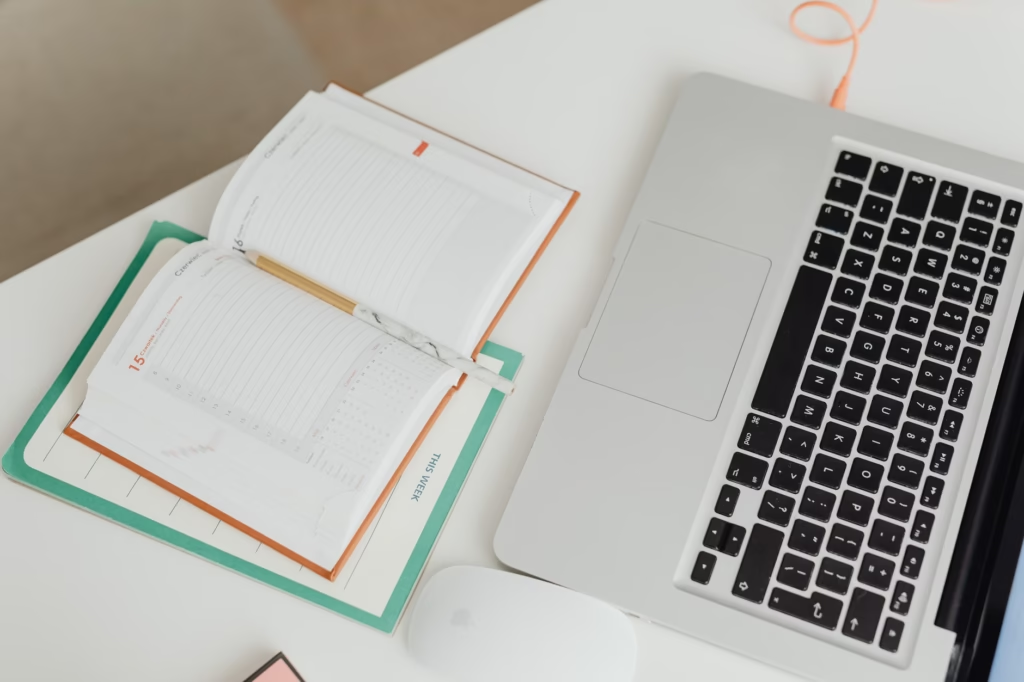
A practical back-to-school checklist that helps students organize deadlines, supplies, routines, and first-week adjustments before small problems turn into daily stress.
A 30-Day Study Challenge to Build Better Learning Habits

A practical 30-day plan to turn inconsistent studying into a repeatable routine built on retrieval, spacing, and simple weekly review.
How to Set Realistic Study Goals and Track Your Progress
Study goals work better when they fit your actual schedule, define what done means, and include a simple way to review progress each week.
Study Breaks Explained: How Long Should You Rest Between Sessions?

A practical guide to choosing study break lengths that protect focus, reduce fatigue, and support better retention without turning rest into procrastination.
How to Stay Motivated When You Do Not Feel Like Studying

When studying feels harder than it should, the problem is often not a lack of character. It is usually a mix of friction, fatigue, stress, or an unclear next step, and each one needs a different response.
Morning vs Night Studying: When Is the Best Time to Learn?
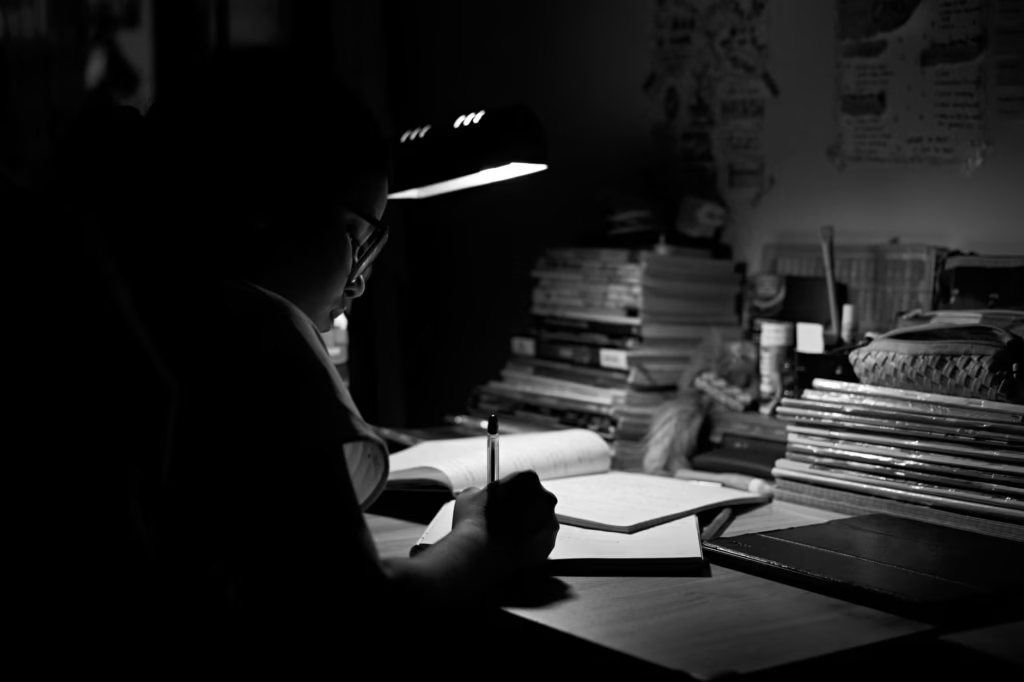
Morning studying is not automatically better, and late-night studying is not automatically a bad habit. The best study time is the block that matches real alertness, fits life obligations, and protects enough sleep for a
How to Create a Distraction-Free Study Environment at Home
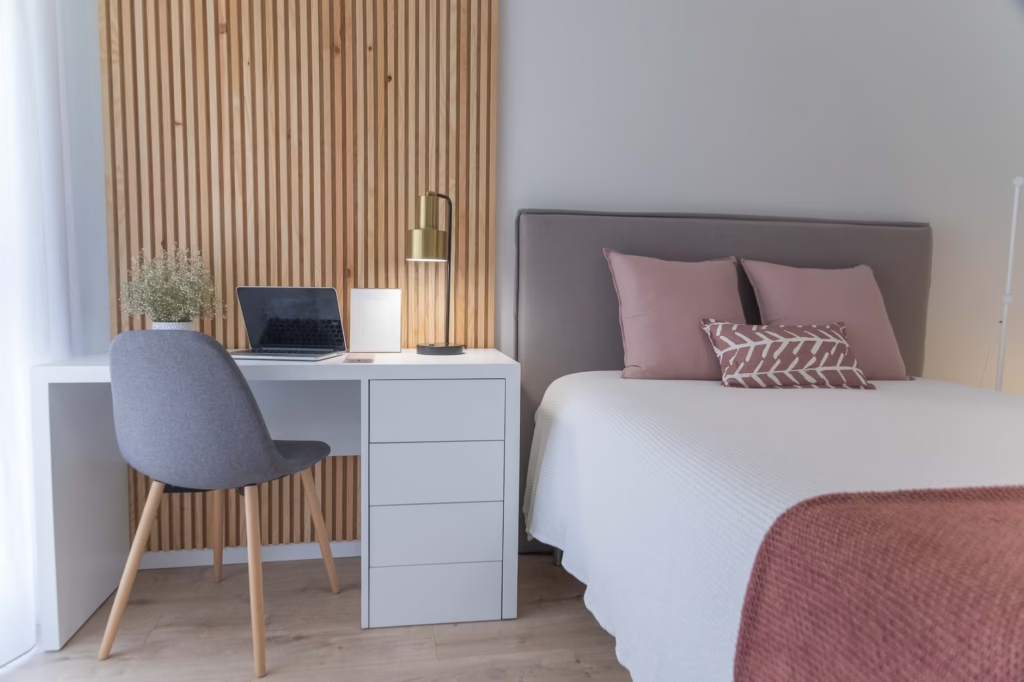
A distraction-free study setup at home is less about buying new furniture and more about removing the small interruptions that keep breaking concentration.